

Many companies choose FIFO as their best practice because it’s regulatory-compliant across many jurisdictions. We’ll explore how the FIFO method works, as well as the advantages and disadvantages of using FIFO calculations for accounting. We’ll also compare the FIFO and LIFO methods to help you choose the right fit for your small business.
- As stated previously, FIFO periodic and FIFO perpetual will give you the same result for cost of goods sold and ending inventory.
- At the end of the year 2016, the company makes a physical measure of material and finds that 1,700 units of material is on hand.
- Understanding the potential downsides of FIFO is crucial for businesses to make informed decisions about their inventory valuation methods.
- Inventory value is then calculated by adding together the unique prices of every inventory unit.
- As a result, LIFO doesn’t provide an accurate or up-to-date value of inventory because the valuation is much lower than inventory items at today’s prices.
Understanding the inventory formula
Our intuitive software automates the busywork with powerful tools and features designed to help you simplify your financial management and make informed business decisions. Our team is ready to learn about your business and guide you to the right solution. In the next page, we will do a demonstration problem of the FIFO method for process costing.
( . Cost of goods sold – FIFO method
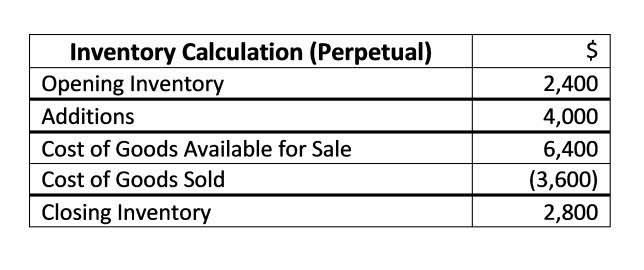
Statements are more transparent and it’s more difficult to manipulate FIFO-based accounts to embellish the company’s financials. FIFO is required under the International Financial Reporting Standards and it’s also standard in many other jurisdictions. The company would report a cost of goods sold of $1,050 and inventory of $350. The remaining unsold 675 sunglasses will be accounted for in “inventory”.
📆 Date: June 28-29, 2025🕛 Time: 8:30-11:30 AM EST📍 Venue: OnlineInstructor: Dheeraj Vaidya, CFA, FRM
For example, during periods of rapid inflation or supply chain disruptions, the cost of new inventory may increase significantly. Since FIFO assigns the oldest costs to COGS, the reported costs may not reflect the current market conditions, potentially distorting profitability and financial ratios. By aligning inventory costs with current market conditions, companies can better predict cash flow needs and plan for future expenses. Higher net income also means higher retained earnings, which can be reinvested into the business or used to pay down debt, further improving cash flow. LIFO is more difficult to account for because the newest units purchased are constantly changing.

Keeping track of all incoming and outgoing inventory costs is key to accurate inventory valuation. Try FreshBooks for free to boost your efficiency and improve your inventory management today. A business in the trading of perishable items generally sells the items purchased first. The benefits of FIFO inventory method typically retained earnings give the most accurate calculation of the inventory and sales profit.
First-In, First-Out Inventory (FIFO Inventory)

Learn more about what types of businesses use FIFO, real-life examples of FIFO, and the relevance of FIFO with frequently asked questions about the FIFO method. Yes, ShipBob’s lot tracking system is designed to always ship lot items with the closest expiration date and separate out items of the same SKU with a different lot number. ShipBob is able to identify inventory locations that contain items with an expiry date first and always ship the nearest expiring lot date first. If you have items that do not have a lot date and some that do, we will ship those with a lot date first.
Examples of Calculating Inventory Using FIFO
The ending inventory at Car Dealership Accounting the end of the fourth day is $92 based on the FIFO method. On 2 January, Bill launched his web store and sold 4 toasters on the very first day. Learn more about what LIFO is and its impact on net income to decide if LIFO valuation is right for you.

FIFO assumes that cheaper items are sold how to find fifo first, generating a higher profit than LIFO. However, when the more expensive items are sold in later months, profit is lower. LIFO generates lower profits in early periods and more profit in later months. The wonderful thing about FIFO is that the calculations are the same for both periodic and perpetual inventory systems because we are always taking the cost for the oldest units. The First-In, First-Out method, also called the FIFO method, is the most straight-forward of all the methods. When determining the cost of a sale, the company uses the cost of the oldest (first-in) units in inventory.
FIFO is predicated on the principle that the first items purchased or produced are the first to be sold or used. This method aligns closely with the natural flow of inventory, making it a logical choice for many businesses. Implementing FIFO can significantly impact financial statements, tax liabilities, and overall profitability. This article delves into the intricacies of the FIFO method, providing a comprehensive guide on what it is, how it works, and its advantages and disadvantages. The average cost is a third accounting method that calculates inventory cost as the total cost of inventory divided by total units purchased.